
I. Project Background
In the wet-process phosphoric acid (WPA) production process, crude phosphoric acid slurry contains high concentrations of calcium sulfate gypsum residue, silicates, organic matter, and fine suspended particles. Conventional solid-liquid separation processes typically rely on sedimentation tanks and plate-and-frame filter presses, which suffer from low filtration precision, poor filtrate clarity, complex processing steps, high labor costs, and incomplete impurity removal. These limitations severely impact downstream phosphoric acid refining and final product quality.
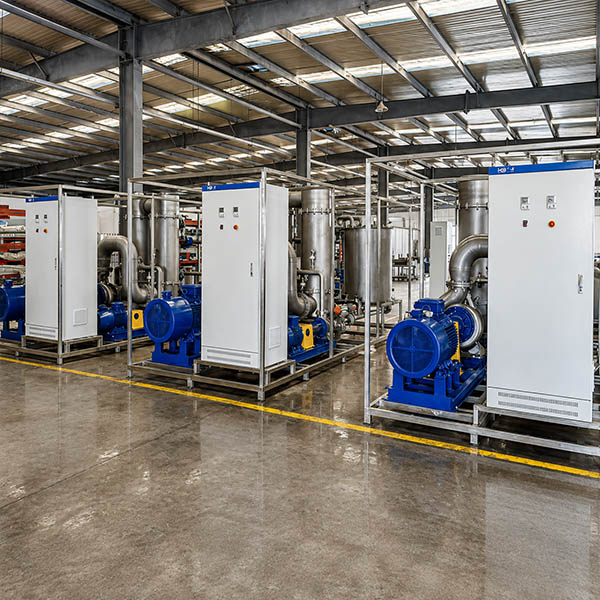
To address the harsh operating conditions characteristic of phosphate chemical processing—strong acidity, high temperature, and high impurity load—this project deployed a custom-designed inorganic ceramic membrane cross-flow filtration system. Engineered specifically for WPA refining, this system replaces traditional filtration methods to achieve efficient solid-liquid separation and deep purification of phosphoric acid slurry, streamline pretreatment processes, and enhance both product purity and production stability.
II. Core Equipment Configuration & Technical Parameters
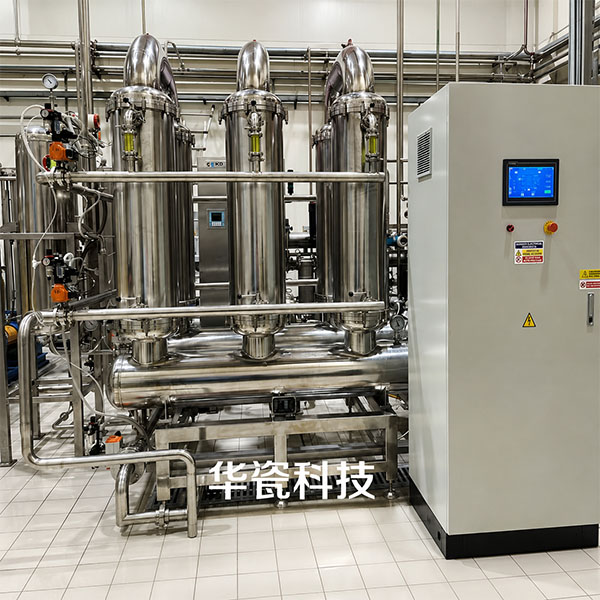
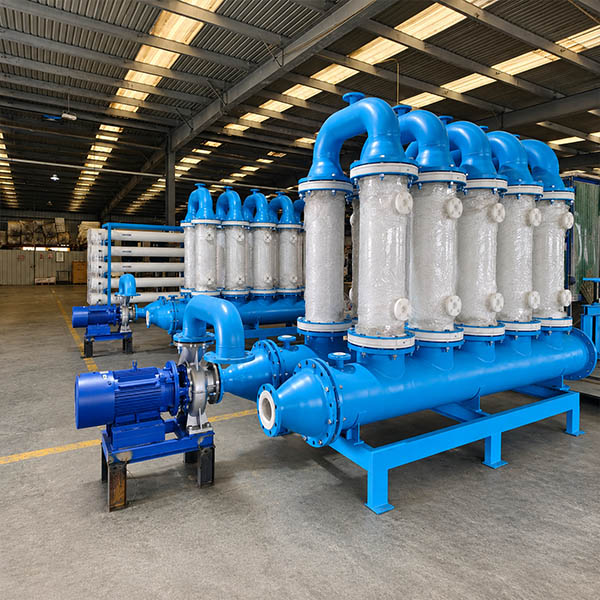
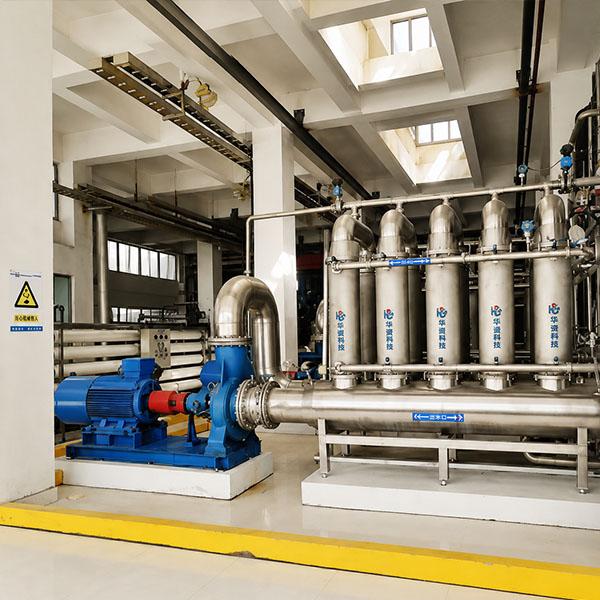
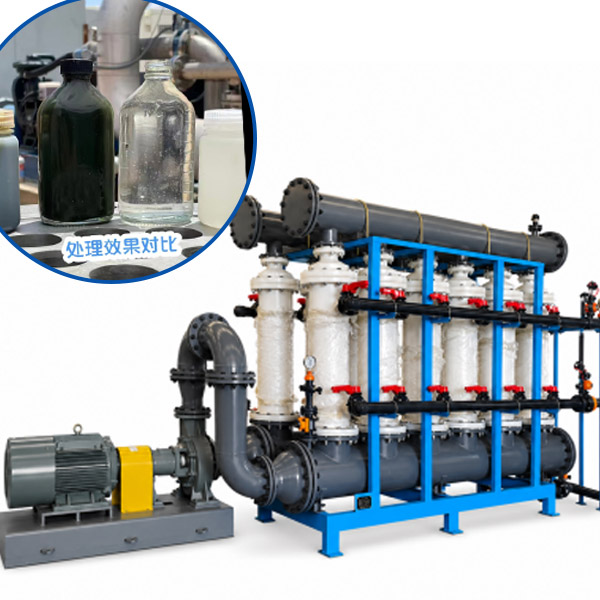
The system adopts an integrated skid-mounted design, incorporating ceramic membrane modules, a circulation pressurization system, piping framework, intelligent control system, and online cleaning unit. The compact structure enables easy installation and long-term continuous stable operation. Key parameters are as follows:
| Parameter | Specification |
|---|---|
| Equipment Dimensions | 5000 mm × 2000 mm × 2280 mm (L × W × H) |
| Equipment Weight | 4,320 kg |
| Design Capacity | 10 tons/hour |
| Core Membrane Material | Alumina Inorganic Ceramic Membrane |
| Wetted Parts Material | 316L Stainless Steel (acid & corrosion resistant) |
| Sealing Material | EPDM, PTFE |
| Applicable pH Range | 0–14 (compatible with strong acid phosphoric acid conditions) |
| Operating Temperature Range | -10°C to 150°C (suitable for high-temp feed & CIP) |
| Control Mode | PLC Fully Automatic Intelligent Control |
| Cleaning Method | Online Backwashing + Online Chemical CIP |
III. Core Process Principle
The system employs inorganic ceramic membrane cross-flow filtration technology. Unlike conventional dead-end filtration, phosphoric acid slurry flows at high velocity across the membrane surface in a tangential direction. Leveraging the sieving effect of precise membrane pore sizes, the system accurately retains gypsum residue, fine suspended solids, colloids, organic matter, and other macromolecular impurities, while clarified phosphoric acid permeates through the membrane as refined filtrate. The high-velocity cross-flow shear effectively minimizes foulant accumulation on the membrane surface. Combined with the fully automatic online cleaning system, sustained membrane flux is maintained, resolving the chronic issues of conventional equipment—frequent clogging and mandatory shutdowns for manual cleaning—and ensuring 24/7 continuous stable operation.
IV. Key Equipment Advantages
1. Superior Corrosion Resistance for Extreme Phosphate Processing Conditions The combination of alumina ceramic membranes, 316L stainless steel wetted components, and PTFE acid-resistant seals withstands highly concentrated strong-acid phosphoric acid media. Compatible with the full pH 0–14 range and high-temperature operation, the system exhibits zero corrosion or aging over extended service life, perfectly suited for the demanding WPA production environment.
2. High Filtration Precision for Enhanced Product Quality Efficiently removes fine particles, colloidal impurities, and organics that conventional sedimentation and pressure filtration cannot capture. The resulting high-clarity filtrate significantly reduces suspended solids content, effectively boosting refined phosphoric acid purity and providing premium-grade feedstock for downstream fine phosphate chemicals and new-energy battery-grade phosphoric acid production.
3. Fully Automated Operation for Cost Reduction & Efficiency Gains PLC-controlled fully automatic operation enables one-touch start/stop, autonomously executing filtration, flux monitoring, online backwashing, and chemical CIP without constant manual supervision. Labor and O&M costs are drastically reduced. Continuous production mode completely eliminates the intermittent, inefficient batch operation of plate-and-frame filter presses, substantially increasing throughput.
4. Simplified Process Flow with Low O&M Costs A single unit replaces multiple conventional devices (sedimentation tanks, filter presses), streamlining pretreatment and reducing both footprint and capital expenditure. Online CIP rapidly restores membrane flux without disassembly, making maintenance convenient. Long-term comprehensive operating costs are far below those of traditional processes.
V. Project Benefits
- Quality Enhancement: Completely resolves incomplete filtration and turbid filtrate issues inherent in conventional processes, consistently producing high-purity refined phosphoric acid, improving downstream product qualification rates and market competitiveness.
- Cost Reduction & Efficiency: Automated continuous production cuts labor, consumables, and maintenance expenses; streamlined process flow reduces plant footprint and infrastructure investment; production efficiency is significantly improved.
- Stability & Durability: Outstanding resistance to strong acids, high temperatures, and fouling ensures reliable performance under harsh phosphate processing conditions, with low failure rates enabling long-term continuous operation and stable mass production.
- Green & Energy-Efficient: Thorough impurity retention and high material recovery minimize phosphoric acid loss and solid waste discharge, aligning with green manufacturing and energy-saving objectives of the phosphate chemical industry.