
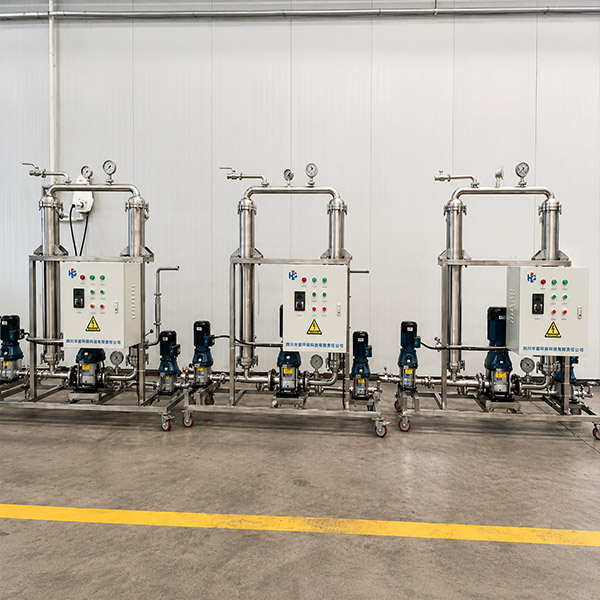
I. Project Background
In the bio-fermentation industry, products such as amino acids, peptides, enzymes, functional extracts, and antibiotics are produced from fermentation broths that contain high concentrations of microbial cells, mycelia, heterologous proteins, colloids, and suspended residues upon completion of fermentation. Conventional separation methods—including plate-and-frame filtration and centrifugation—suffer from turbid filtrate, incomplete impurity removal, low product yield, and excessive consumable consumption. These limitations severely compromise downstream refining quality and overall production stability.
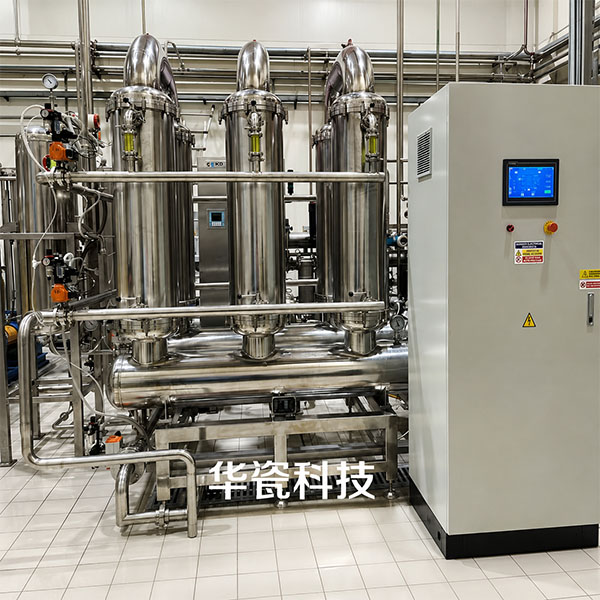
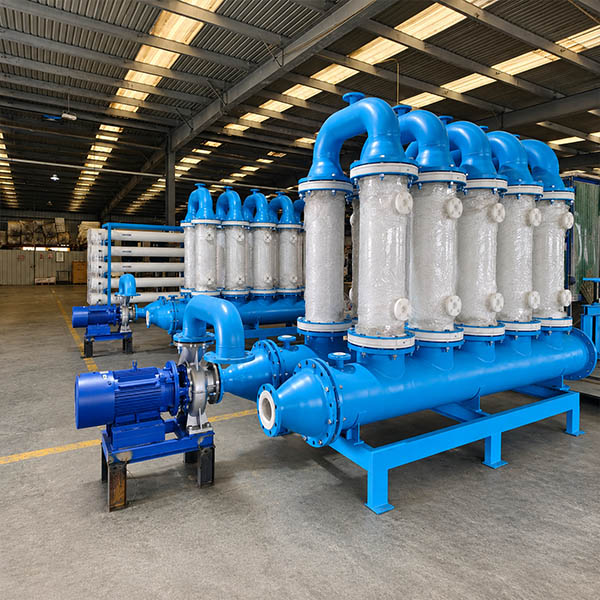
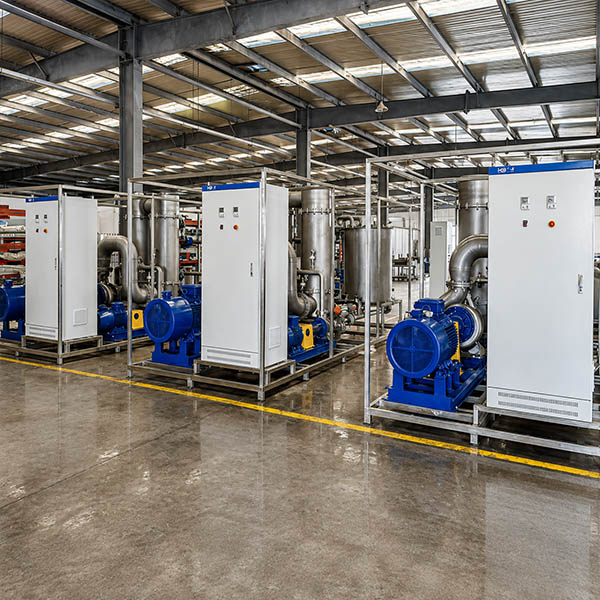
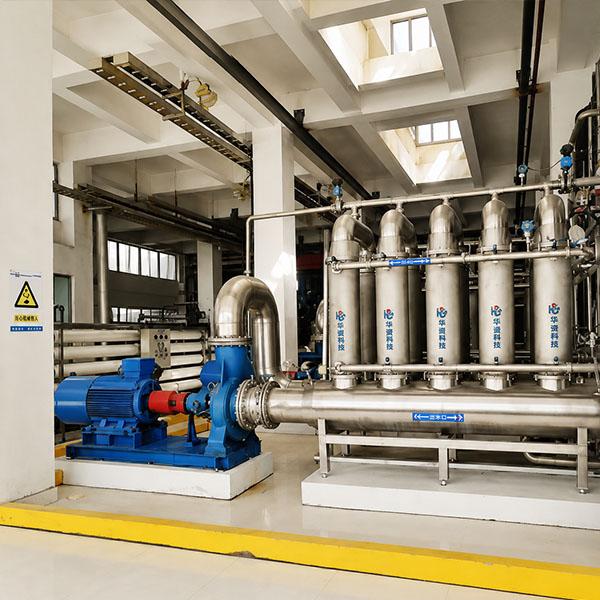
To address the challenges inherent in fermentation broth systems—complex matrix composition, wide pH fluctuations, and broad operating temperature ranges—an inorganic ceramic membrane cross-flow fractionation system was deployed. This integrated system achieves simultaneous clarification, impurity removal, concentration, and purification of fermentation broth, replacing traditional filtration processes and meeting the demands of continuous, clean manufacturing in bioprocessing.
II. Process Flow
Fermentation Broth Storage Tank → Pressurized Feed Transfer → Ceramic Membrane Cross-Flow Filtration → Low-Molecular-Weight Clarified Permeate (to Refining Stage) + Microbial Cells / Macromolecular Impurities Concentrated & Retained → Periodic Residue Discharge
III. Operational Performance
1. Thorough Impurity Removal Precisely retains microbial cells, mycelia, heterologous proteins, colloidal flocs, and suspended particulates. The resulting permeate is exceptionally clear, completely resolving chronic issues associated with conventional filtration: turbid filtrate, column blockage in downstream processing, and difficult purification.
2. Significantly Enhanced Product Yield Ambient-temperature physical sieving involves no phase change or activity loss, maximizing retention of low-molecular-weight active ingredients. Compared to conventional processes, biological product recovery is substantially improved.
3. Stable Operation with Strong Fouling Resistance The cross-flow configuration minimizes membrane fouling and effectively accommodates fluctuations in broth viscosity and impurity loading, maintaining stable flux during extended continuous operation.
4. Simple Cleaning & Regeneration A dedicated alkaline cleaning protocol thoroughly removes protein and organic foulants from the membrane surface, achieving high flux recovery rates and eliminating the need for frequent consumable replacement.
5. Clean Production Compliance All wetted parts are constructed from 316L sanitary-grade stainless steel, preventing secondary contamination and fully complying with regulatory standards for food additives, cosmetic raw materials, and biopharmaceutical manufacturing.
IV. Core Equipment Parameters
| Parameter | Specification |
|---|---|
| Equipment Dimensions | 1850 mm × 750 mm × 2000 mm (L × W × H) |
| Equipment Weight | 210 kg |
| Standard Capacity | 200 L/h |
| Membrane Material | Alumina Inorganic Ceramic Membrane |
| Wetted Parts Material | 316L Stainless Steel |
| Sealing Material | EPDM, PTFE |
| Applicable pH Range | 2–14 |
| Operating Temperature Range | -10°C to 150°C |
| Control Mode | Relay Control |
| Cleaning Method | Alkaline Cleaning Regeneration |