
Background
In the separation of mycelium from fermentation broths (e.g., nucleotides, antibiotics, organic acids), conventional methods such as plate-and-frame filtration and centrifugation are typically employed. These traditional approaches suffer from high labor intensity, low separation precision, and poor product yield. Moreover, they require substantial wash water volumes in downstream processing, resulting in elevated COD discharge and significant environmental pollution.
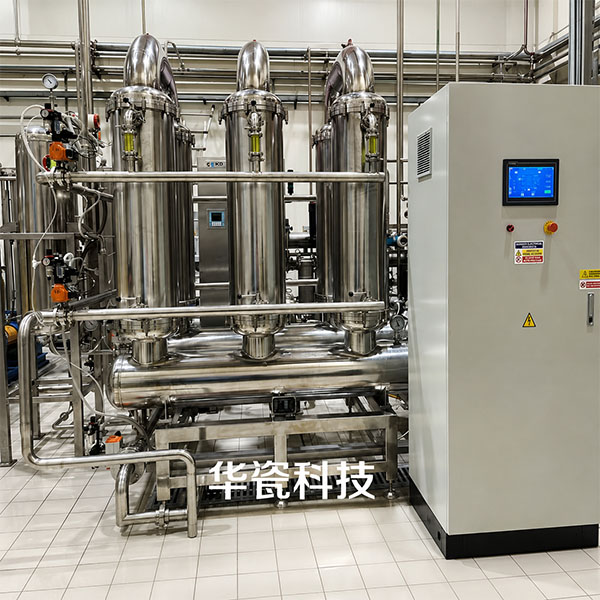
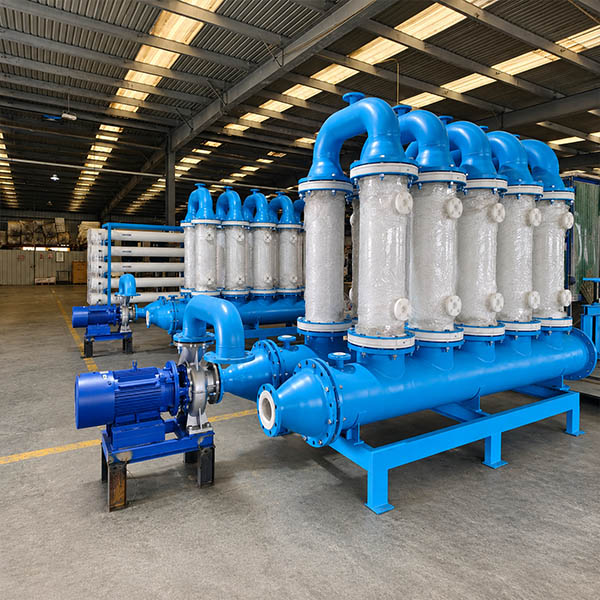
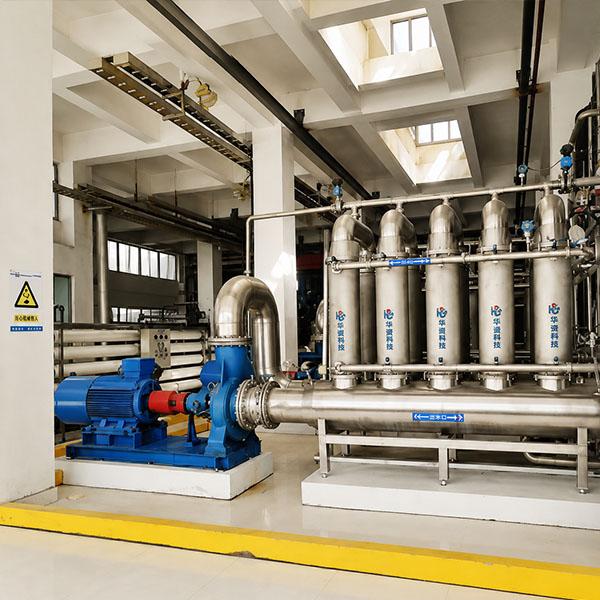
Owing to their unique properties—including exceptional chemical resistance, high-temperature tolerance, and superior separation precision—ceramic membranes have become the preferred separation technology in the bio-fermentation industry. They are widely applied in the treatment of fermentation broths for organic acids (e.g., citric acid, lactic acid, itaconic acid), antibiotics (e.g., penicillin, erythromycin), vitamins (e.g., Vitamin B2, Vitamin B12), and amino acids. Ceramic membrane systems effectively remove mycelium, macromolecular proteins, yeast/bacterial cell wall fragments, and cellular fibers. This significantly reduces the processing load and operational costs of downstream purification steps such as ion exchange and activated carbon adsorption, while simultaneously improving product yield and substantially lowering wastewater treatment burden. Additionally, the protein-rich retentate recovered from the fermentation broth can be valorized as animal feed.
Process Features
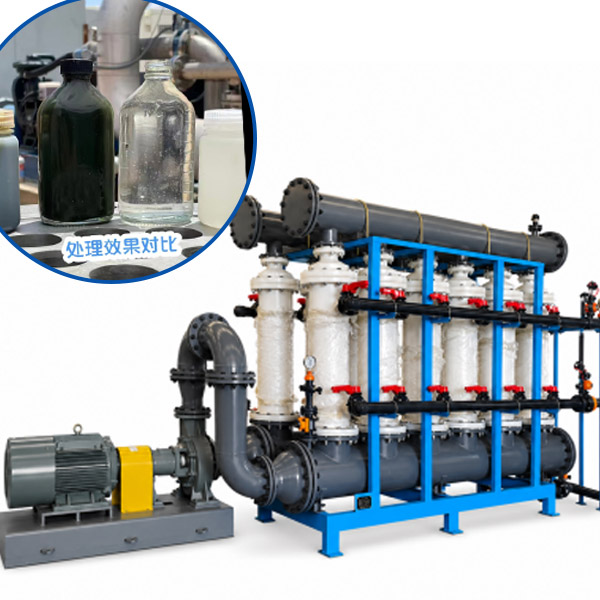
- High Separation Precision: Produces crystal-clear permeate, dramatically reducing the load on subsequent refining processes.
- Chemical-Free Operation: No chemical additives required; the concentrate (mycelium, proteins, etc.) can be directly recovered as animal feed.
- Cell Integrity Preservation: Maintains over 95% integrity and viability of fermented microbial cells.
- Superior Fouling Resistance: Strong anti-fouling capability, excellent flux regeneration performance, and extended service life.
- High Concentration Factor: Enables high-fold concentration of fermentation broth, maximizing product recovery.
- Clean Production: Significantly reduces acid, alkali, and wash water consumption; markedly improves wastewater biodegradability.
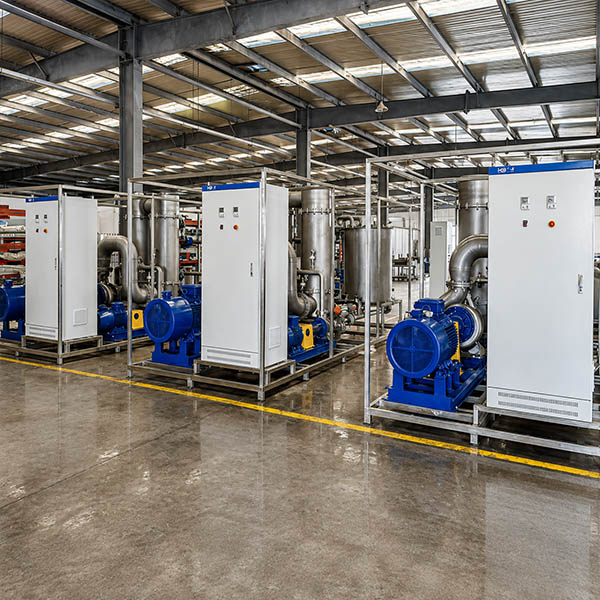
- Automated Control: PLC-based automatic control ensures simple, reliable operation with minimal labor requirements.
Applicable Products
- Amino Acids: Lysine, Glutamic Acid, Threonine, Tryptophan, Glycine, etc.
- Organic Acids: Lactic Acid, Citric Acid, Succinic Acid, Adipic Acid, etc.
- Vitamins: Vitamin C, Vitamin B2, etc.