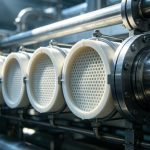

Ceramic membrane equipment represents a cutting edge technology in the field of separation and purification processes. These devices are widely utilized across various industries including food and beverage, pharmaceuticals, biotechnology, and water treatment among others. The primary function of ceramic membranes is to separate substances based on their molecular size, allowing for the efficient removal of contaminants or the concentration of desired components.
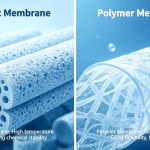
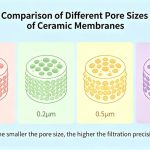
The construction of ceramic membrane equipment involves several key components. At the heart of the system lies the ceramic membrane itself, which is typically made from materials such as alumina, zirconia, or titania. These materials offer excellent chemical stability, high temperature resistance, and mechanical strength, making them ideal for use in harsh processing environments. The porous structure of the membrane allows for selective permeation while preventing the passage of larger molecules or particles.
One of the major advantages of using ceramic membranes over other types of filtration media is their durability. Unlike organic membranes, which can degrade over time due to exposure to solvents, acids, or bases, ceramic membranes maintain their integrity even under extreme conditions. This longevity translates into lower maintenance costs and reduced downtime for replacement, providing significant economic benefits to users.
In addition to their robustness, ceramic membranes also exhibit superior thermal stability. They can operate effectively at temperatures up to 800°C, enabling their application in processes that require heating for optimal performance. For instance, in the dairy industry, ceramic membranes are used for concentrating milk proteins without denaturing them, thanks to their ability to withstand the necessary heat treatments.
The operational flexibility of ceramic membrane systems further enhances their appeal. They can be configured in different modes such as crossflow, dead-end, or submerged, depending on the specific requirements of the process. In crossflow mode, the feed solution flows parallel to the surface of the membrane, continuously sweeping away the concentrated retentate and minimizing fouling. This setup is particularly useful in applications where high flux rates and low operating pressures are desired.
Despite these numerous benefits, there are certain challenges associated with the implementation of ceramic membrane technology. One of the main concerns is the relatively high initial investment cost compared to conventional filtration methods. However, this drawback is often offset by the long-term savings achieved through reduced energy consumption, extended service life, and minimized waste generation. Moreover, advancements in manufacturing techniques have led to a gradual decrease in the price of ceramic membranes, making them more accessible to a broader range of industries.
In conclusion, ceramic membrane equipment stands out as a versatile and reliable solution for a wide array of separation and purification needs. Its unique combination of chemical inertness, thermal stability, and mechanical toughness makes it an indispensable tool in modern industrial processes. As research continues to drive innovation in this field, we can expect to see even more sophisticated and cost-effective applications of ceramic membrane technology in the future.